Resume, cover letter & referral playbooks — for people who actually have to apply.
One actionable tactic a week. No fluff, no ‘10 ways to update your LinkedIn,’ no recycled listicles. Everything below is field-tested by people in the middle of a job hunt.
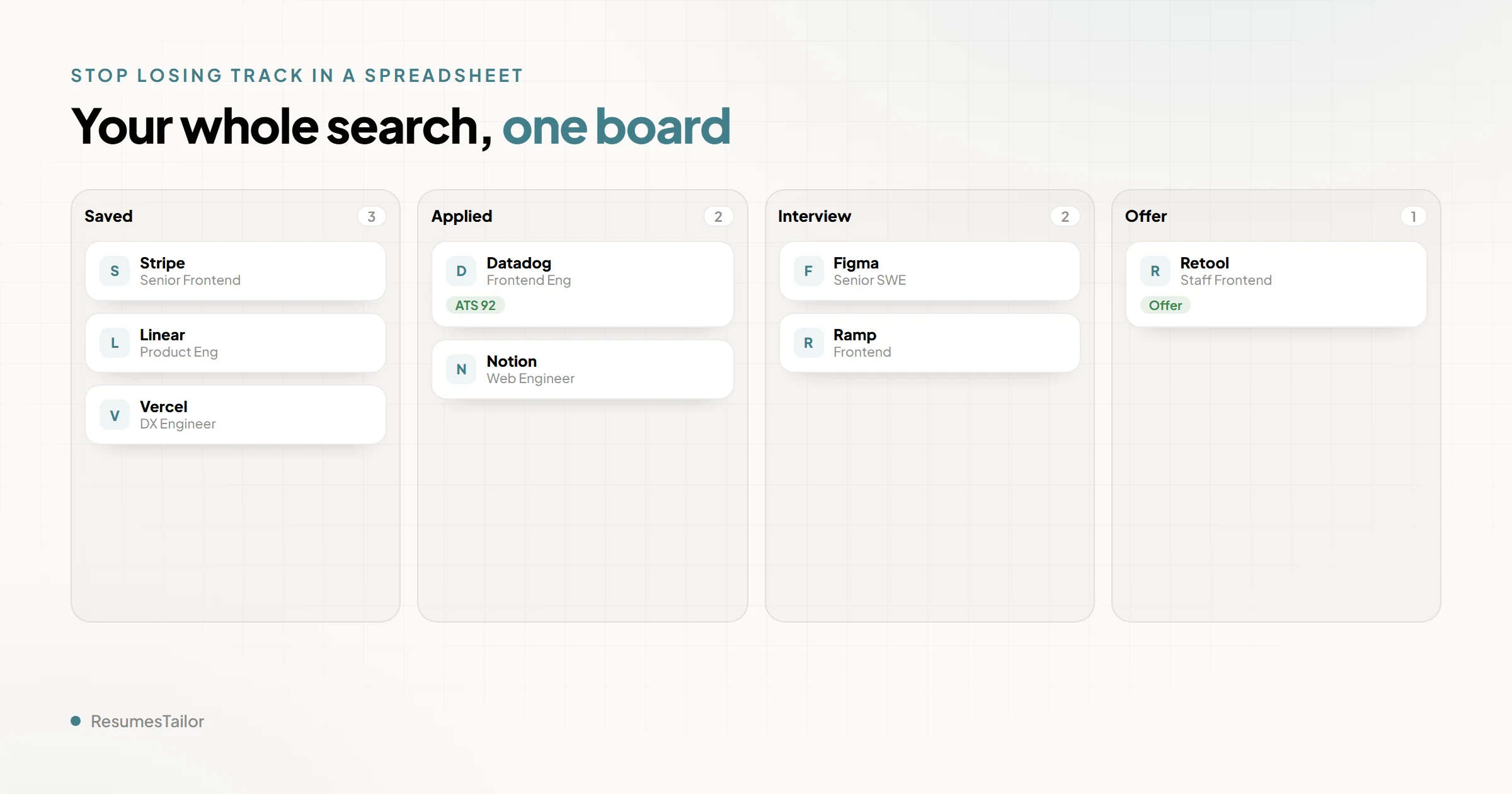
How to track a job search with a Kanban board (and stop losing applications in a spreadsheet)
A spreadsheet tells you what you applied to. A Kanban board tells you what to do next. Here's how to run your search as a visual pipeline: the stages worth using, what to track per role, and how to keep it from going stale.
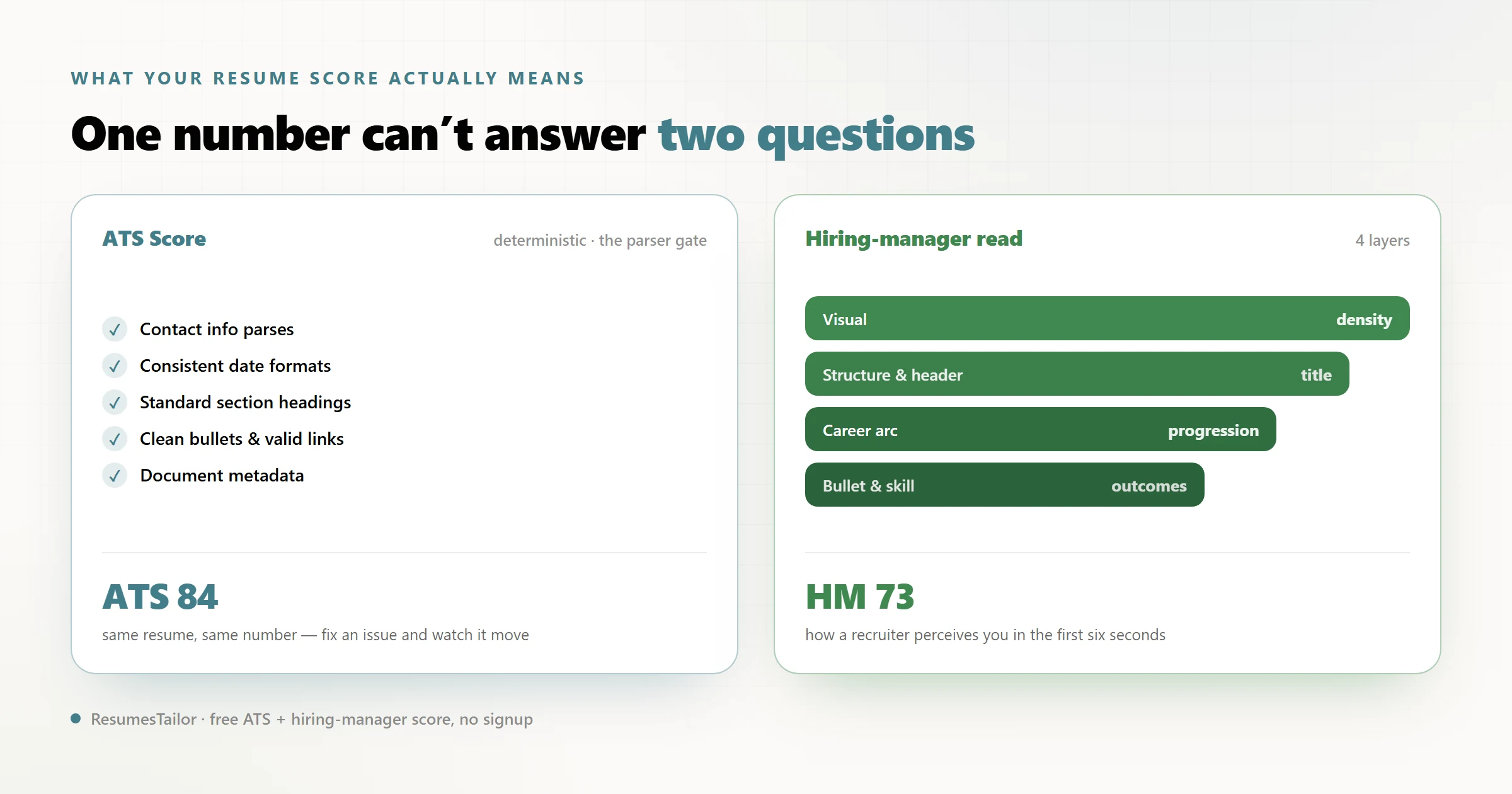
What your resume score actually means (ATS vs. hiring-manager read)
A resume score is usually one number you can't act on. Here's what an ATS score and a hiring-manager read each measure, what counts as good, and how to fix what they find.
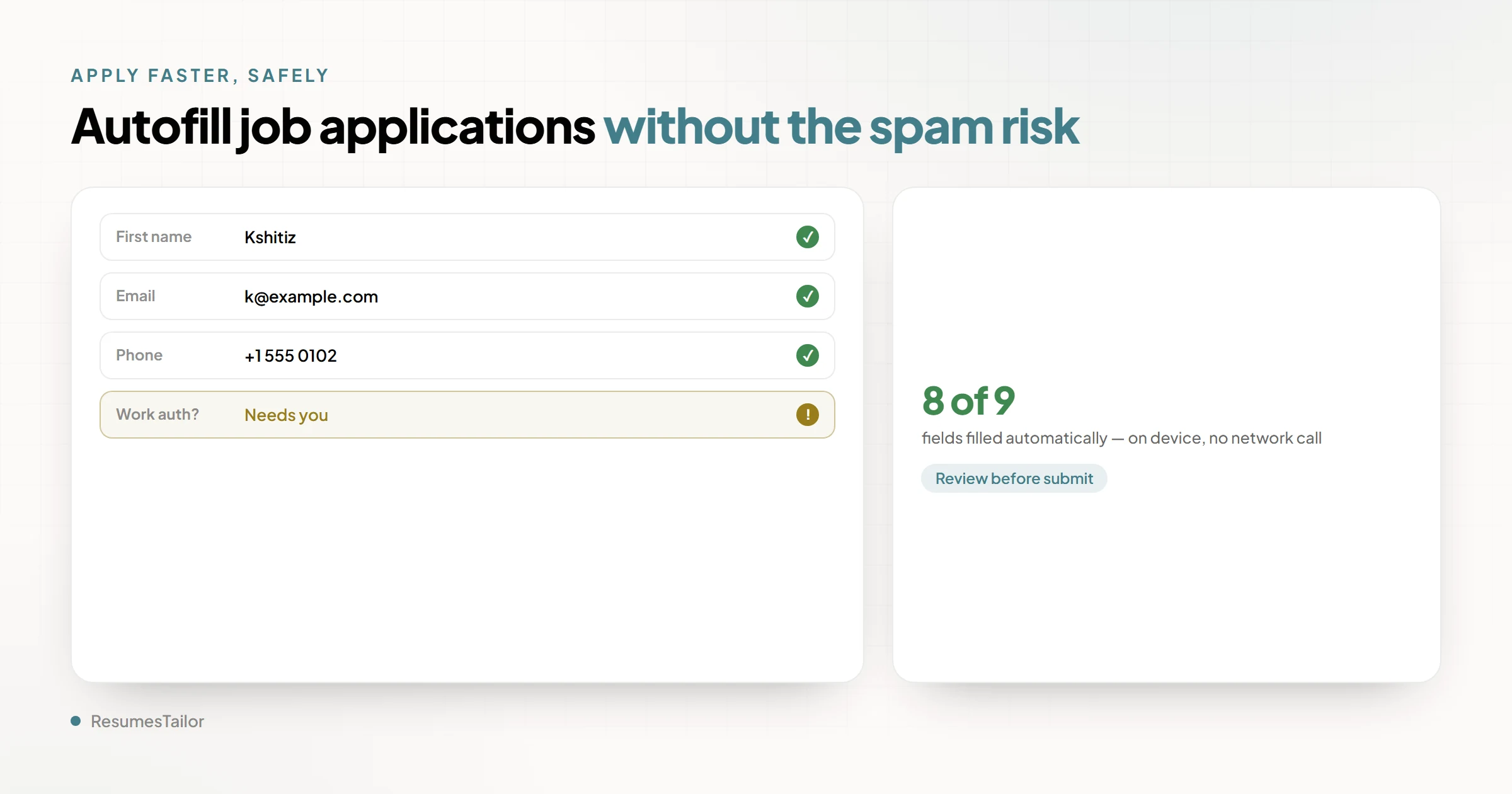
How to Autofill Job Applications (Workday & Greenhouse) Without the Spam Risk
Autofill saves hours on Workday and Greenhouse forms, but some tools get accounts flagged or submit the wrong info. Here's how to autofill applications the safe, review-first way, and why fields sometimes don't 'stick'.
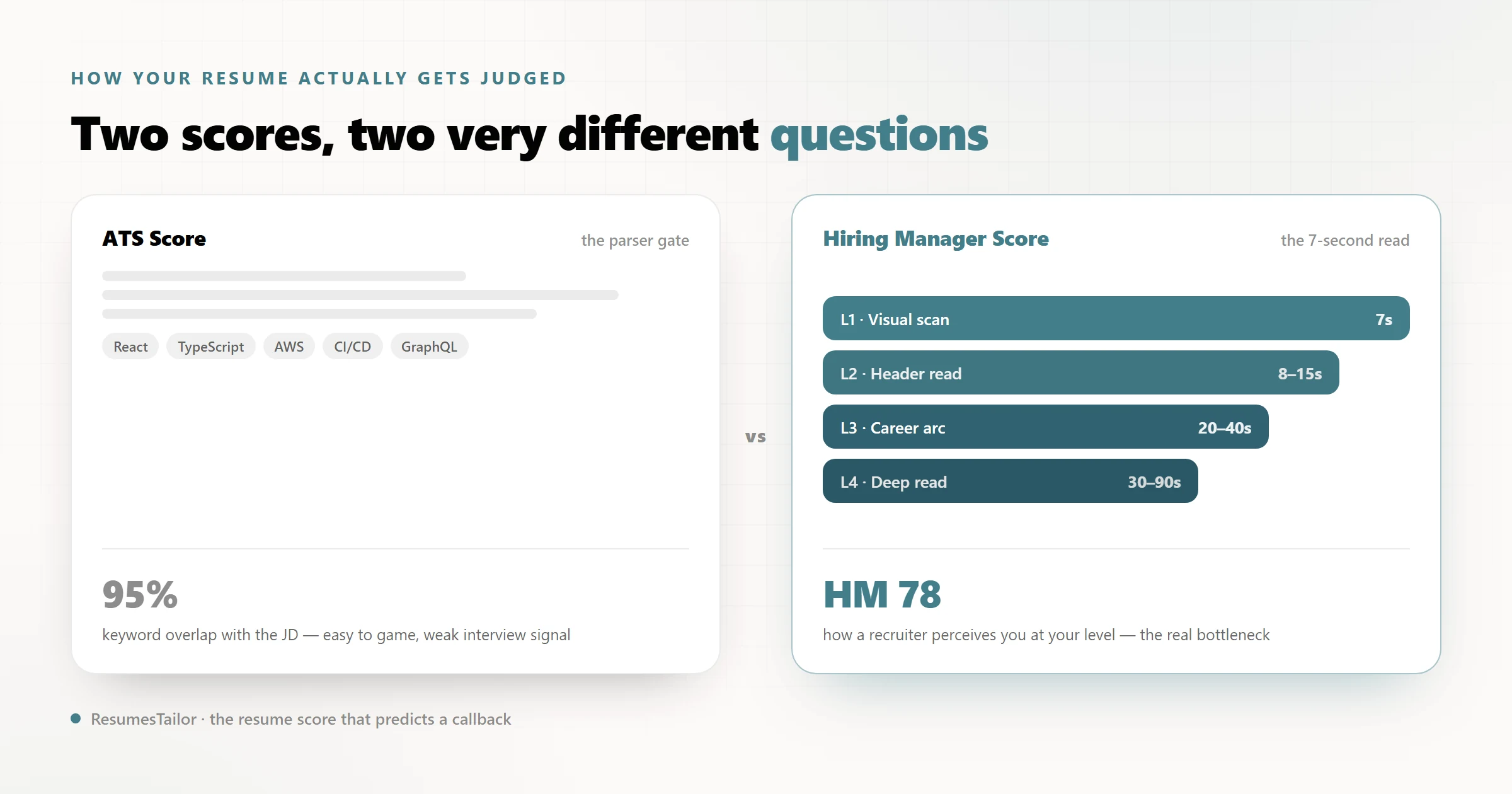
ATS score vs hiring-manager score: the real way to test your resume in 2026
An ATS score counts keywords. It can't tell you whether a recruiter will call. Here's the difference between parsing past the machine and passing a hiring manager's seven-second read, and how to test for both.
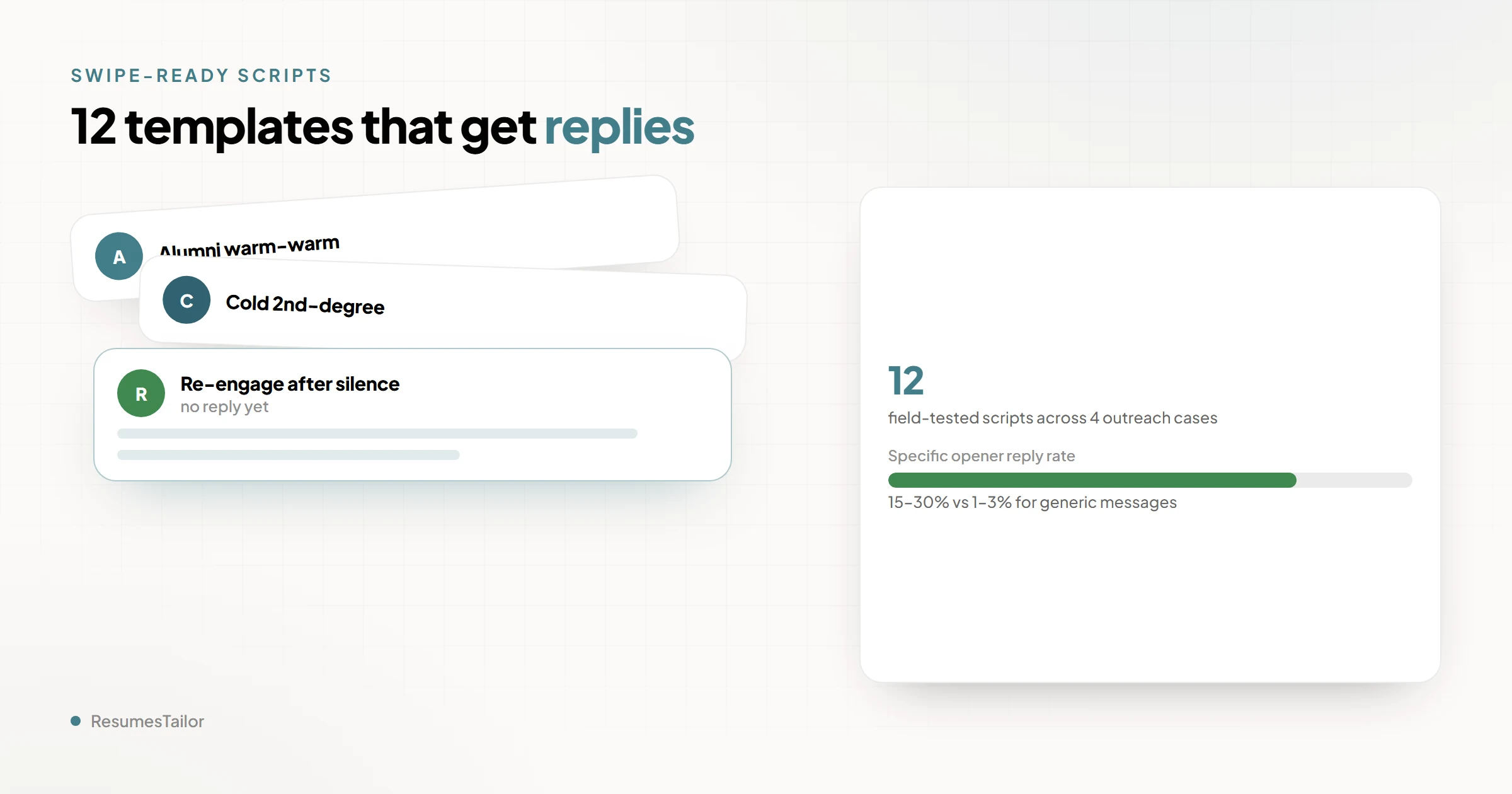
LinkedIn referral message templates: 12 scripts that get replies in 2026
Twelve LinkedIn DM templates for asking strangers, alumni, ex-colleagues, hiring managers, and recruiters for a referral — each one labeled with what it's built for and what makes it land.
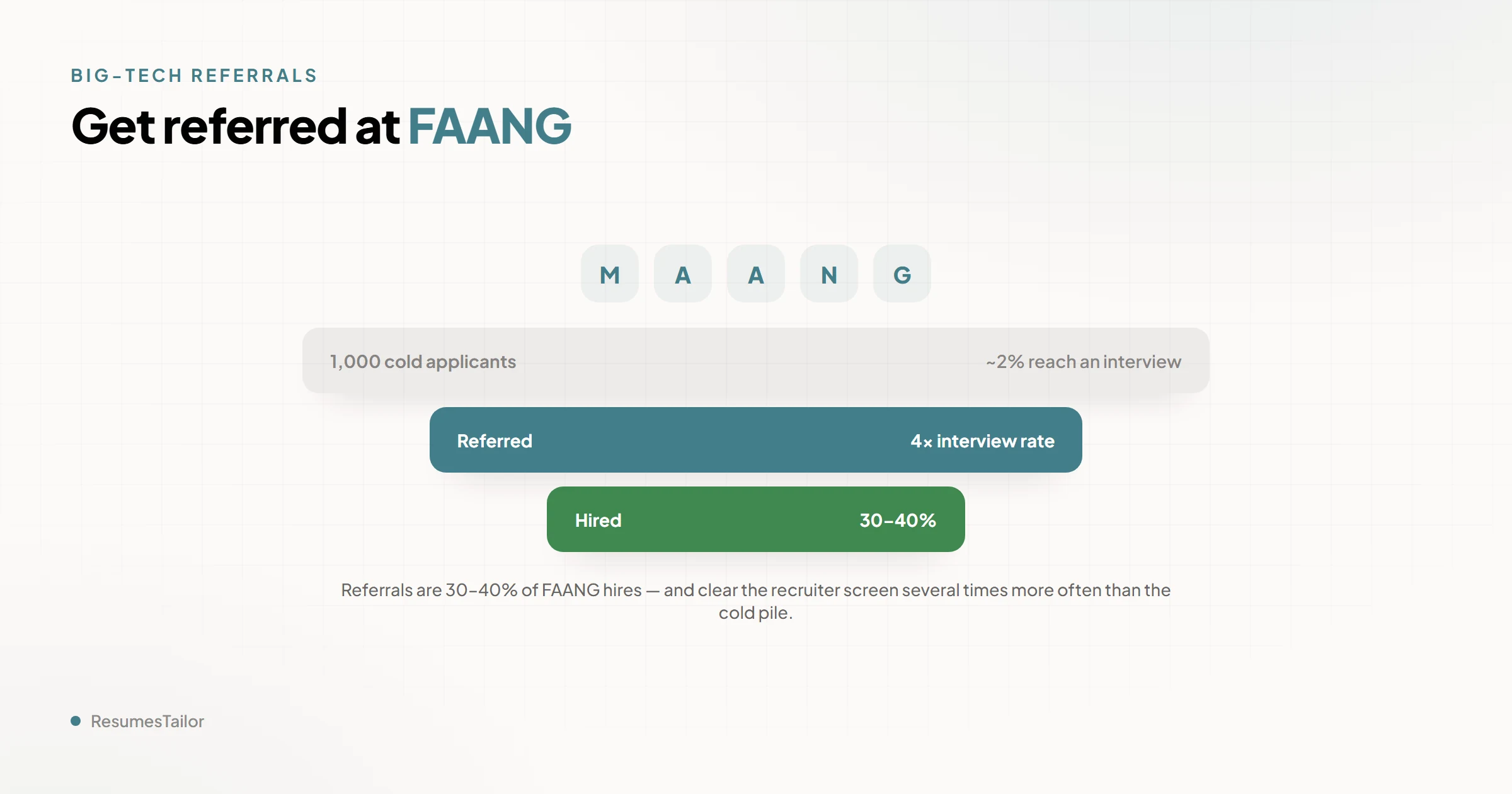
How to get referred at FAANG: a 2026 guide (Meta, Apple, Amazon, Netflix, Google)
What a FAANG referral actually does, how the internal process differs at Meta, Apple, Amazon, Netflix, and Google, and the outreach that gets a yes from a senior engineer.
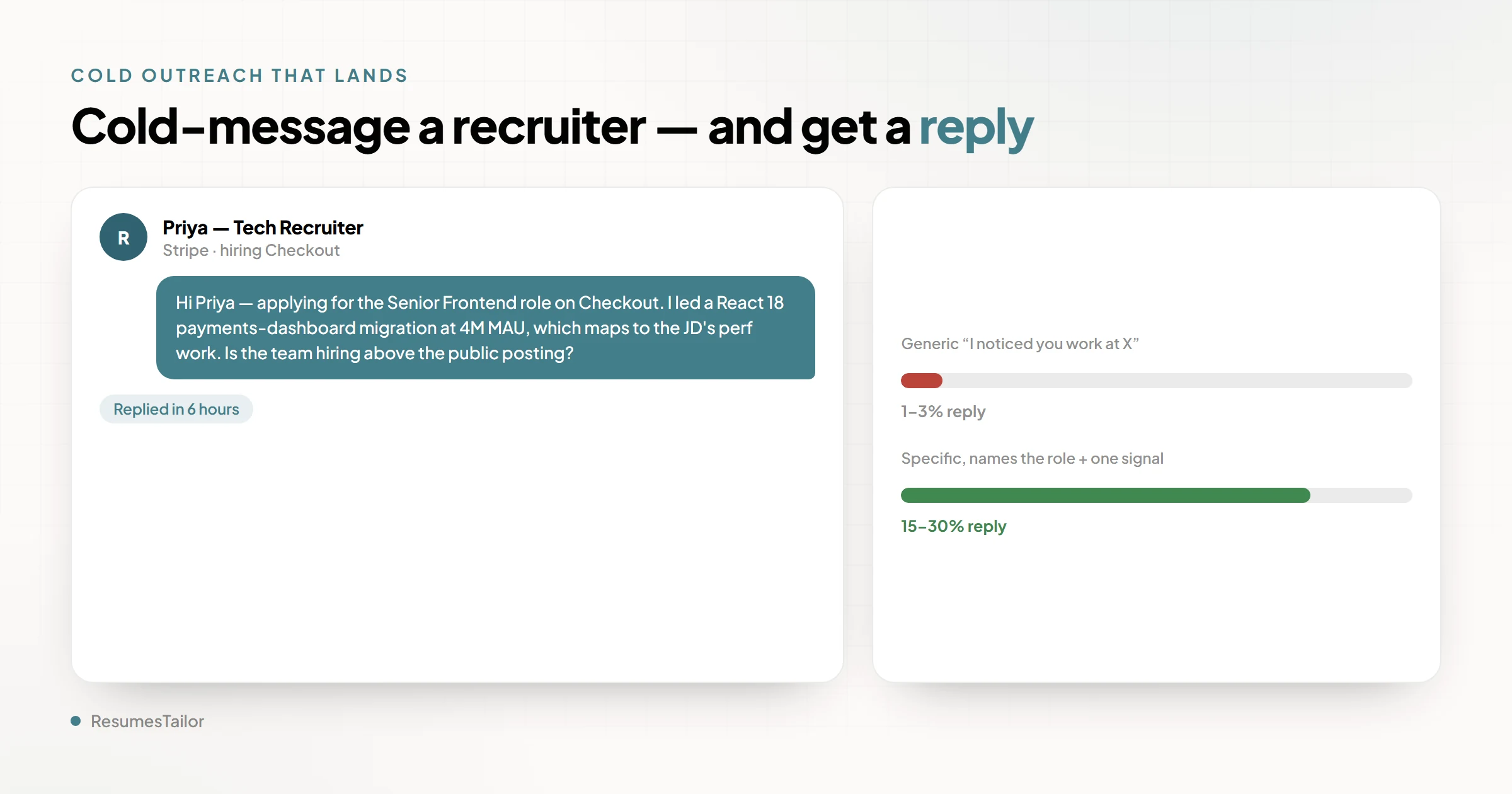
How to cold-message a recruiter on LinkedIn in 2026 (and actually get a reply)
Recruiters get dozens of cold DMs a day. Here's the structure, the four templates that get replies, and what to do after they respond — built for internal and agency recruiters both.
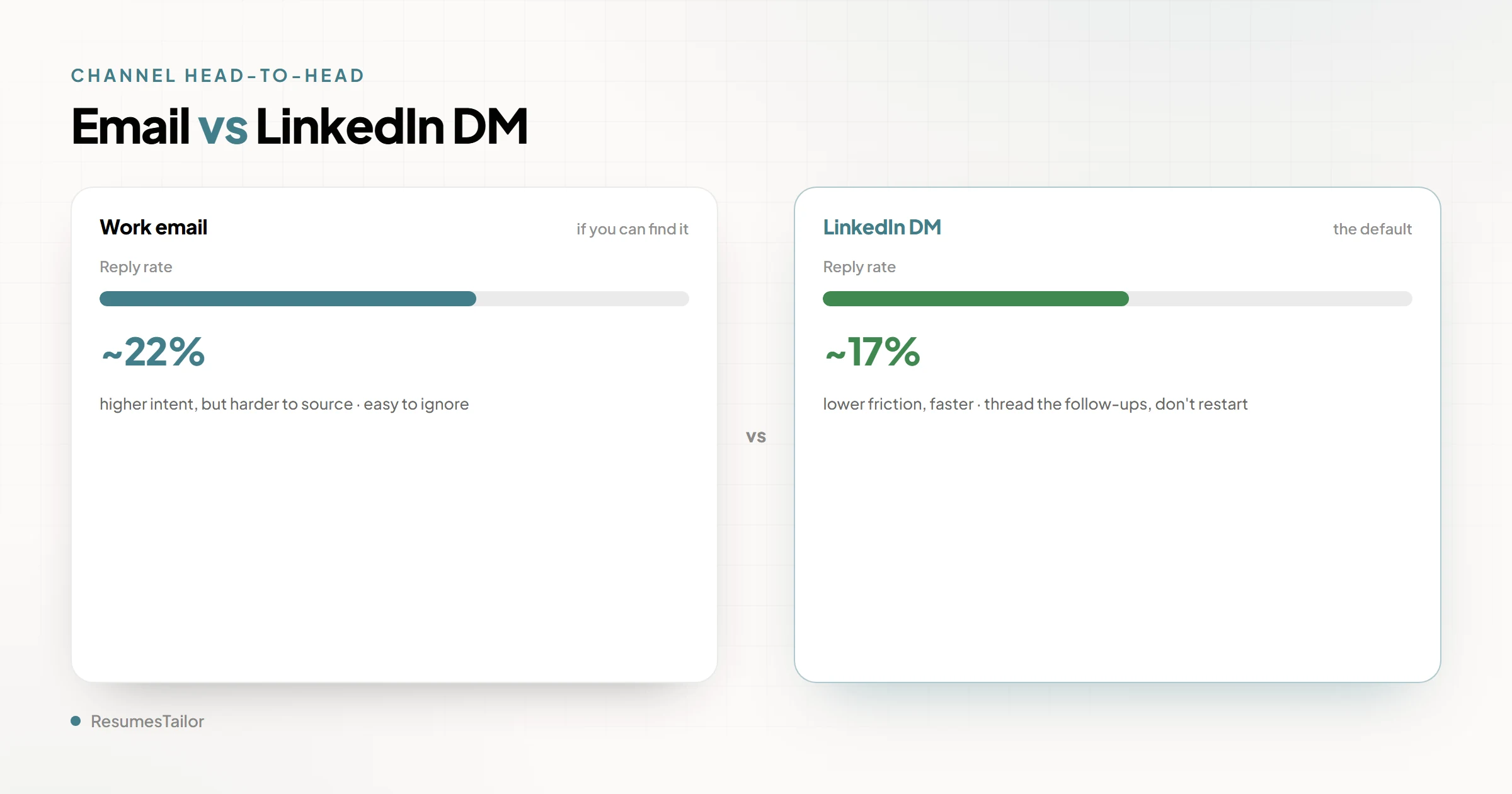
Referral request: email or LinkedIn DM? How to pick the right channel in 2026
Email or LinkedIn DM for a referral ask? Match the channel to the relationship: email warm ex-colleagues, DM strangers and second-degree connections. Decision framework plus templates for both.
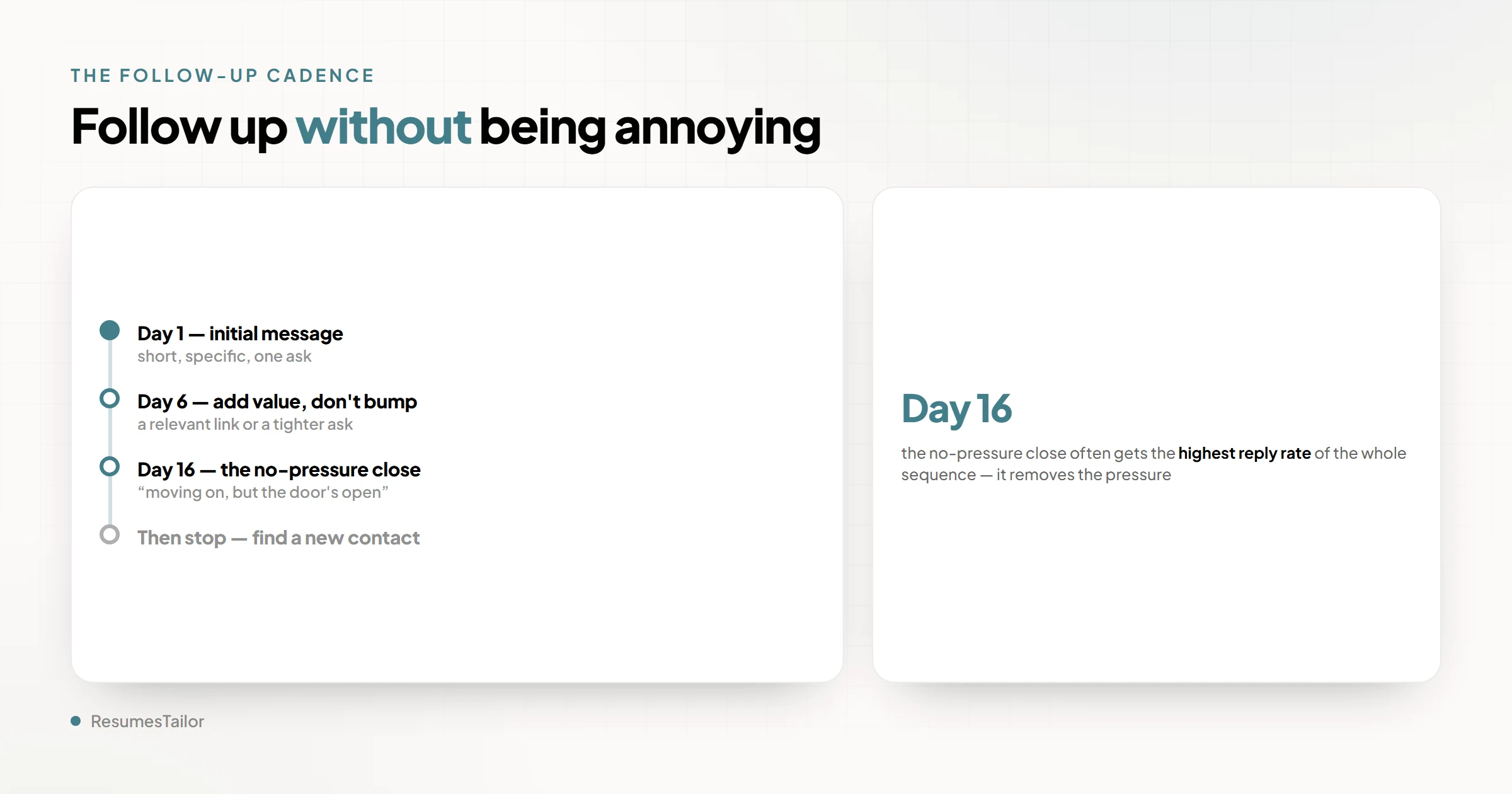
How to follow up on a referral request without being annoying
When to follow up, what to say, and when to stop. The five-day rule, the two-message limit, and the templates that get a reply without burning the relationship.
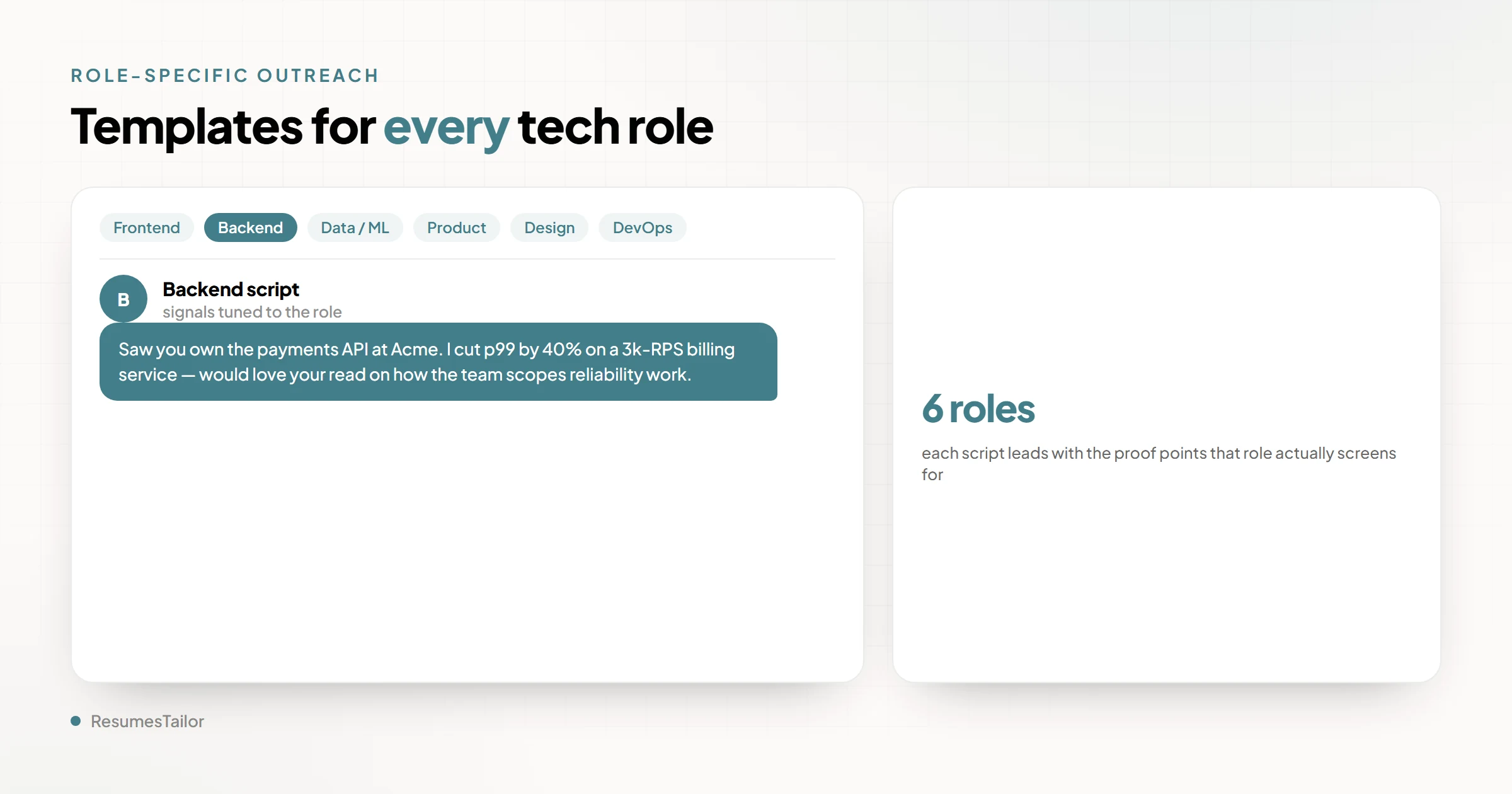
Networking message templates by tech role: SWE, PM, design, data, DevOps
Each tech function verifies competence differently. The networking message that lands for a software engineer reads wrong to a designer. Five role-specific templates, with the signal each role screens for.
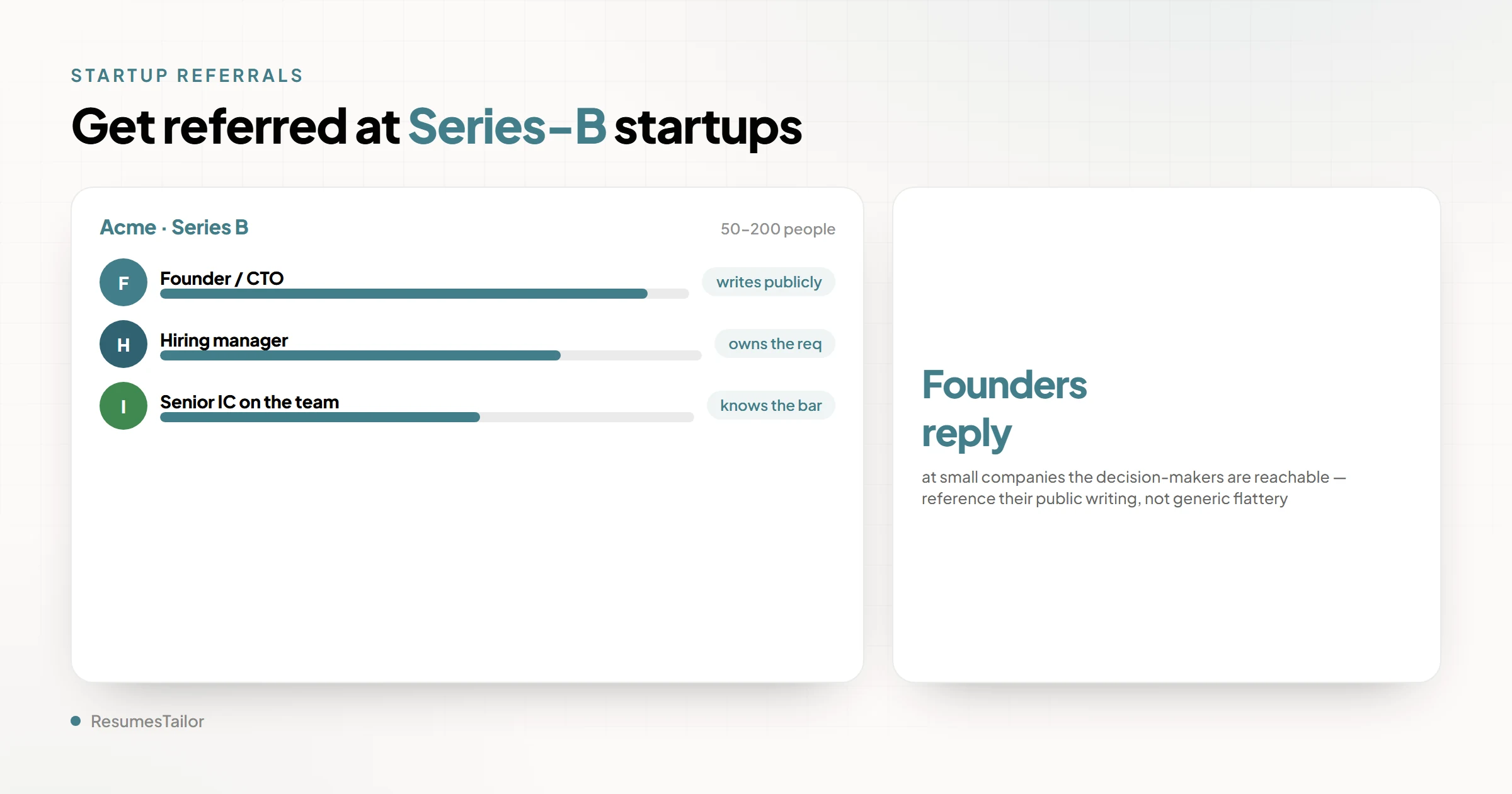
How to get referred at Series-B startups (the playbook FAANG advice gets wrong)
Series-B startups don't run referrals like FAANG. The hiring manager is often the founder, bonuses are small or absent, and reaching out directly works. Here's how the dynamics differ, plus the templates that match.
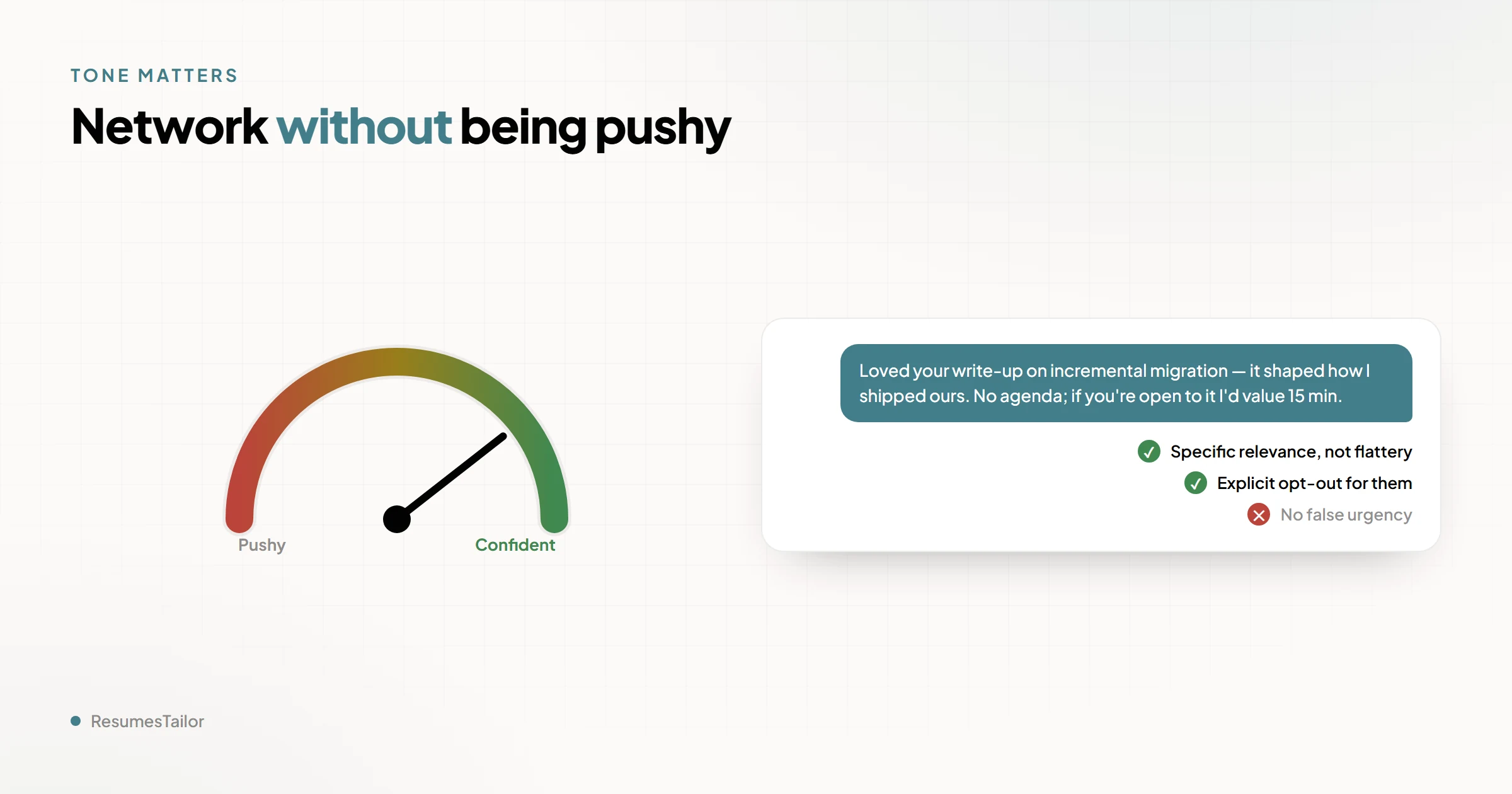
Networking without being pushy: the tone guide for 2026
Most 'am I being too pushy?' anxiety is a phrasing problem, not a substance problem. The exact phrases that make a networking message read confident, with side-by-side rewrites of common mistakes.
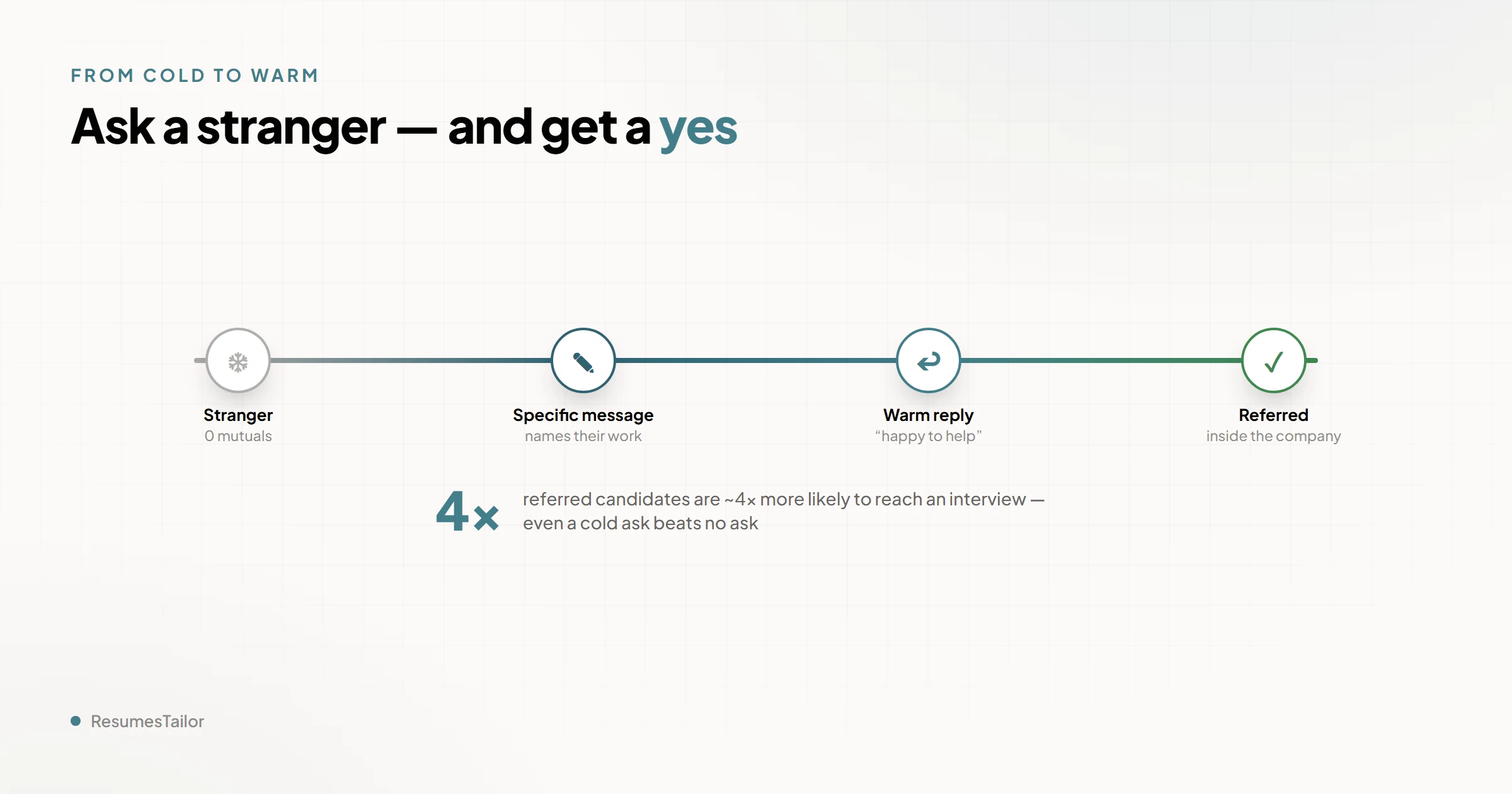
How to ask a stranger for a referral (and actually get one)
The five things a cold referral ask needs to get a reply from someone who's never heard of you — a copy-ready template, the mistakes that kill conversion, and how to pick the right person.
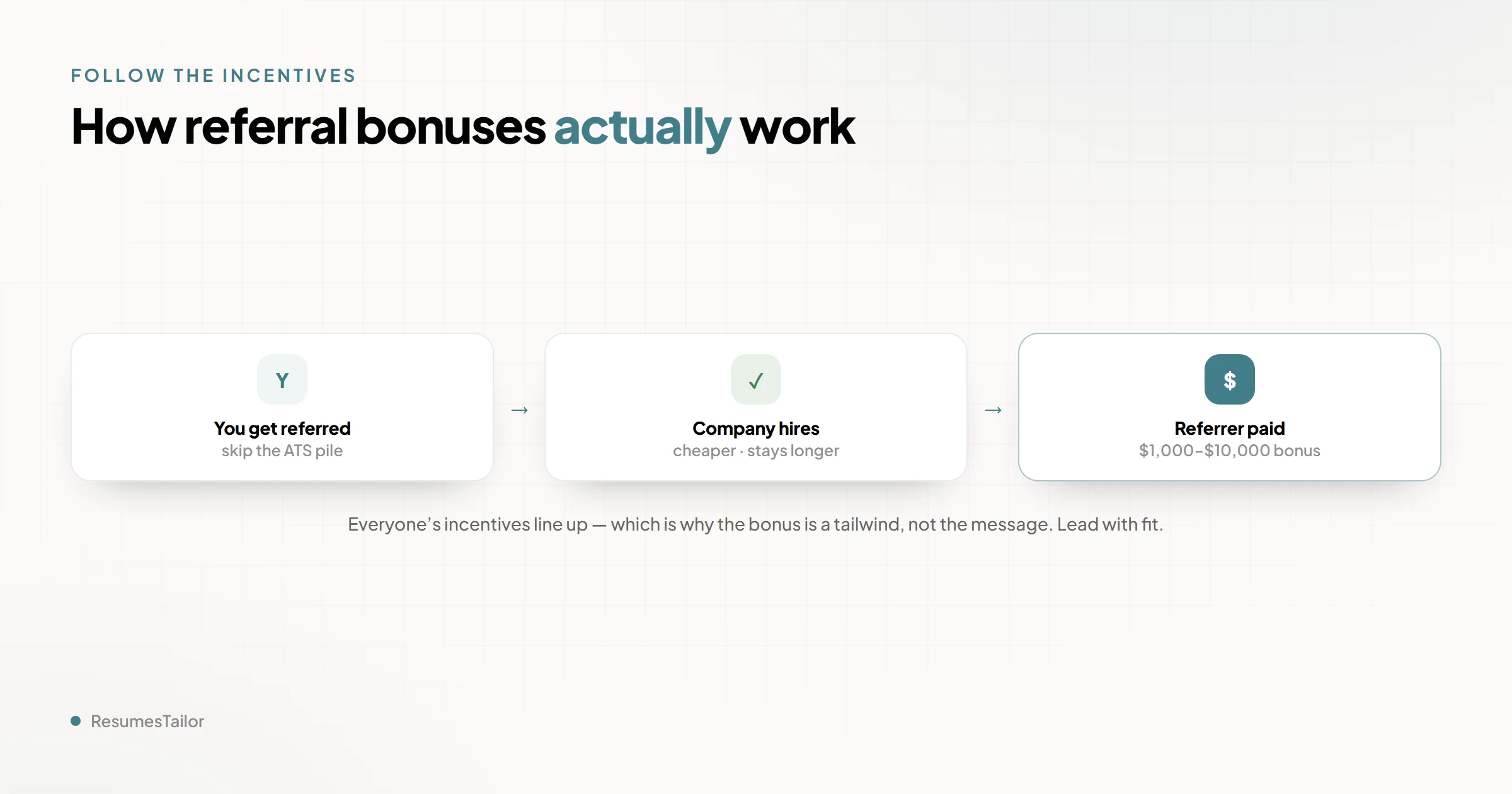
How referral bonuses actually work (and why it changes how you ask)
Referral bonuses are cheaper than recruiters and paid on a retention gate, not your start date. Here's how the incentive really works at tech companies and startups, and how to ask without sounding transactional.
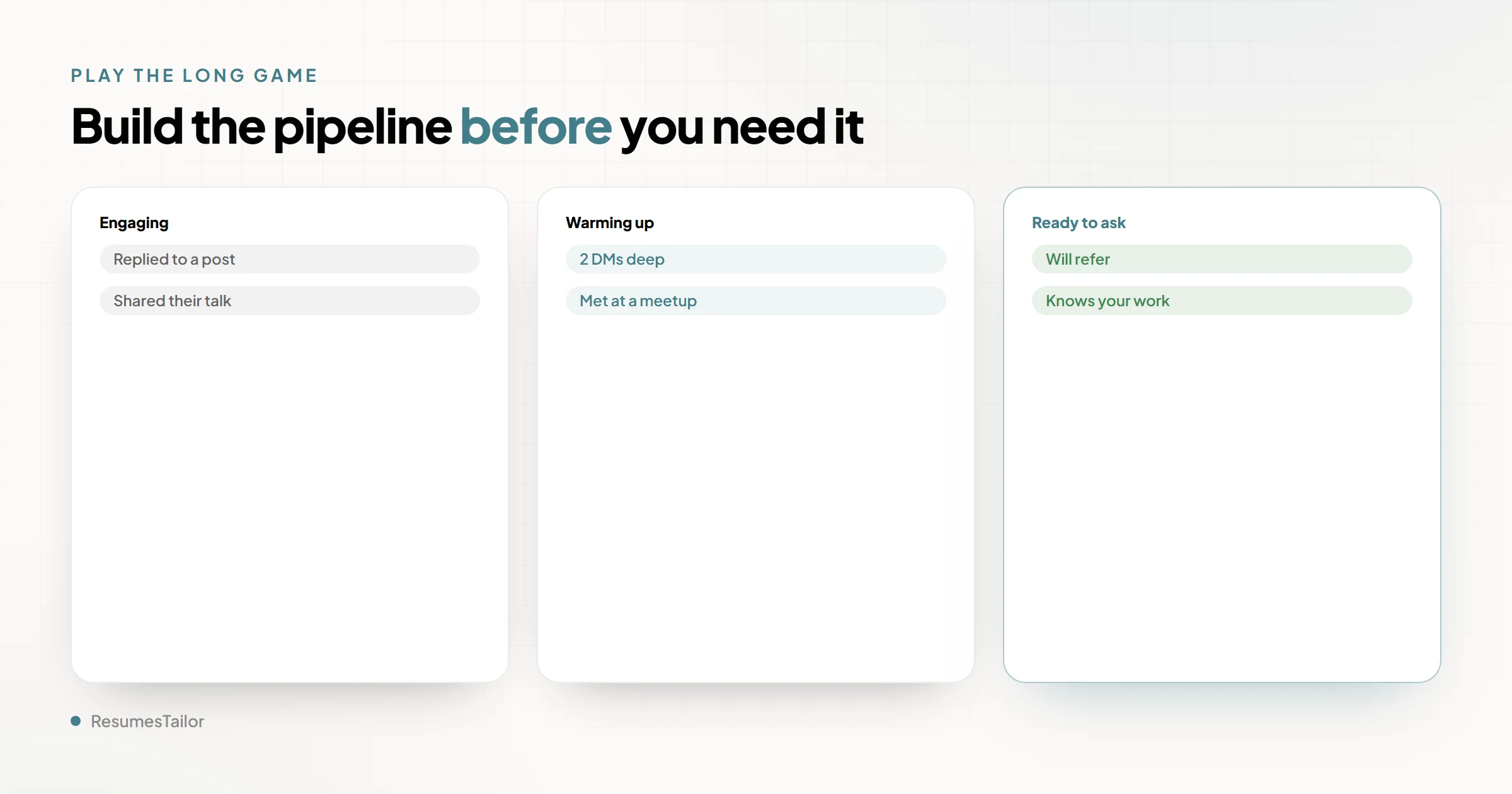
Build a referral pipeline before you need it: the 12-month playbook
The best referral pipeline is built when you don't need it. The 12-month plan: which relationships to invest in, what cadence to keep, and how to ask later without it feeling transactional.
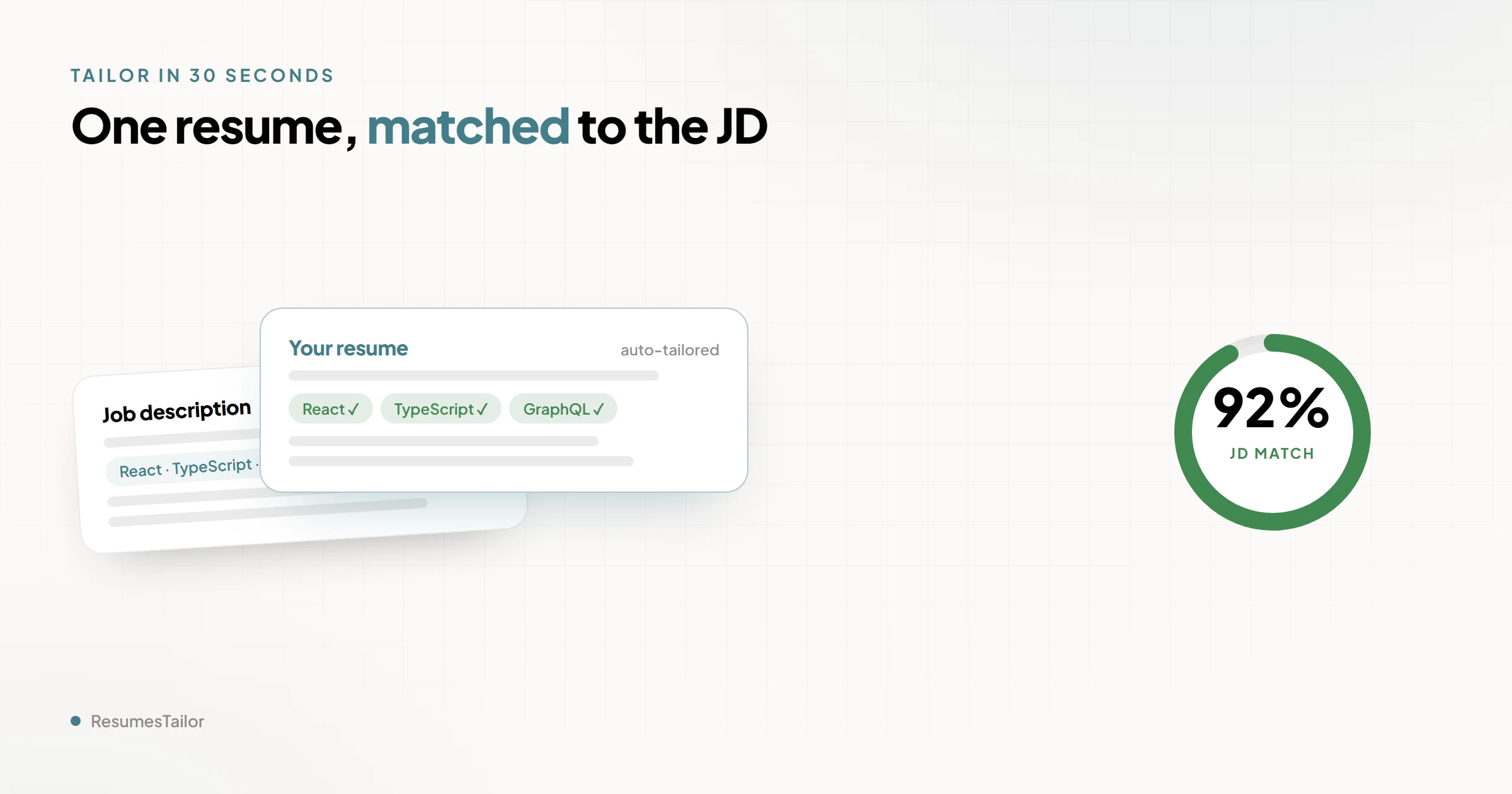
How to tailor your resume to a job description in 2026 (with examples)
The 5-step framework recruiters and ATS systems both reward, with a worked before-and-after bullet from a real Stripe Senior Frontend posting — and how to do it in 30 seconds instead of 30 minutes.
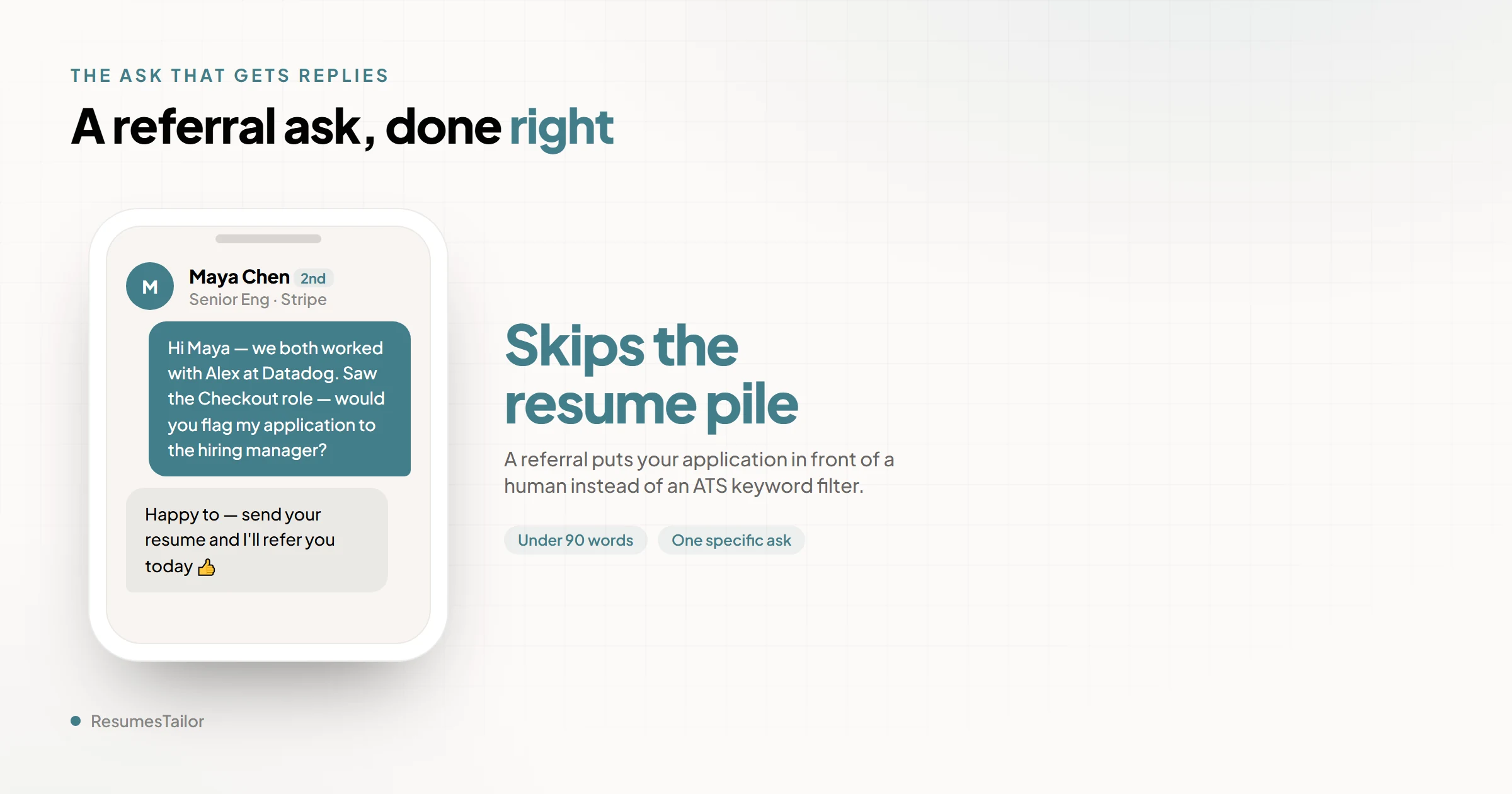
How to ask for a referral on LinkedIn (free templates that get replies in 2026)
Why referrals work, who to ask first, and three LinkedIn message templates that get replies, with the framework for picking the right person and following up.
Guides & comparisons
Beyond the weekly posts: honest tool comparisons, best-of roundups, and step-by-step referral guides for 20 top tech companies.
More coming
We’re shipping posts weekly. Topics queued: ATS resume checklist for Workday, Greenhouse, and Lever, cover letters that don’t sound like AI, portfolio vs LinkedIn, and how many jobs you should apply to per week (with first-party data). Subscribe to the RSS feed at /blog/rss.xml (coming soon) or follow the changelog.